Home Repair Loans Without a Cash Store Line
When a pipe bursts or the furnace quits, a personal loan from $500 to $5,000 can pay the contractor while savings cover the deductible. Compare that route with a storefront cash store before you sign anything.
On this page
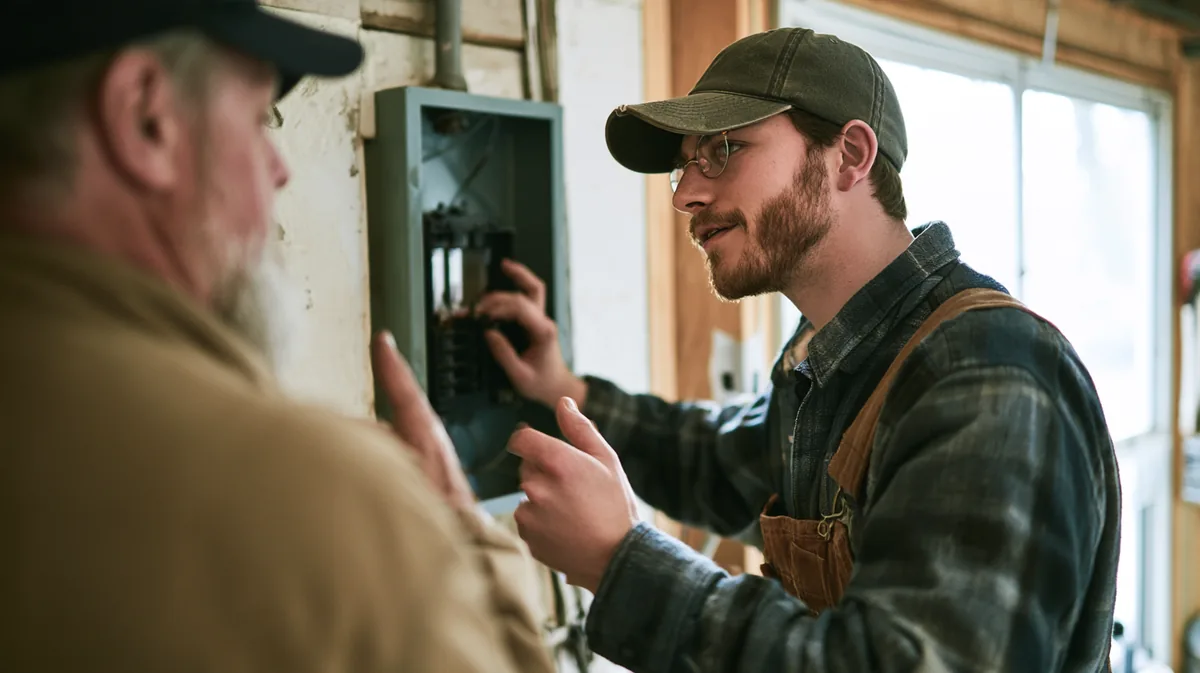
Home Repair Loans and the Cash Store Search
A home repair loan is an unsecured personal loan of $500 to $5,000 for urgent fixes like a roof leak, burst pipe or dead furnace. Instead of standing in line at a cash store, you can send one request and compare offers from lenders.
Repairs rarely wait for your next paycheck. Water spreads through drywall within hours, and a furnace that quits in a cold snap can freeze pipes overnight. That urgency is why homeowners search for the cash store near me when a contractor asks for a deposit. A storefront cash store can put funds in your hand once it approves you, sometimes the same day, and for a $300 service call that speed may matter more than anything else.
For larger bills, the math changes. A $3,000 water heater replacement or a $4,000 roof section is hard to repay in a few weeks, and many short-term cash store loans are built around exactly that kind of short window. A personal loan from a lender in our network spreads the cost over 3 to 36 months with a fixed payment, and you see the APR before you accept.
Our service is a connector. We pass your request to lenders in our network, and lenders set the rates, terms and approval decisions. Funding is often the next business day after approval, depending on the lender, and approval is never guaranteed.
The guidance here covers small, urgent repairs only. Planned upgrades and large projects call for a different kind of financing and fall outside the $500 to $5,000 range covered here, whether you borrow online or from a cash store.
Pays a plumber to cut out the damaged section, replace pipe and restore water the same week.
See the $1,000 loan guide →Most requestedFurnace or water heater$3,00024 months at 19.99% APR (example)≈ $152.67/mo est.Covers a replacement water heater or a major furnace repair such as a new heat exchanger or blower motor.
See the $3,000 loan guide →Roof leak and electrical$4,00024 months at 17.99% APR (example)≈ $199.68/mo est.Handles a roof section repair after storm damage or a breaker panel replacement flagged by a licensed electrician.
See the $4,000 loan guide →Estimates only. Payments assume no origination fee; actual APR, term and payment are set by the lender after review.
What Common Emergency Home Repairs Cost
Most urgent home repairs cost between $200 and $5,000. A plumber fixing a burst pipe often charges $200 to $1,500, while an installed replacement water heater typically runs $1,200 to $3,000, depending on size and region.
| Repair | Typical range |
|---|---|
| Roof leak patch, shingles or flashing | $300–$1,500 |
| Roof section repair after storm damage | $1,500–$4,500 |
| Burst pipe repair by a plumber | $200–$1,500 |
| Water damage drying and cleanup | $1,000–$5,000 or more |
| Tank water heater replacement, installed | $1,200–$3,000 |
| Furnace repair (igniter, blower motor, control board) | $150–$1,500 |
| Basic gas furnace replacement, installed | $3,500–$7,500 |
| Single breaker replacement | $150–$600 |
| Electrical panel replacement | $1,500–$4,000 |
| Main drain clog or sewer line spot repair | $200–$4,000 |
| Sump pump replacement | $600–$1,500 |
Two numbers on that list deserve a closer look. Water cleanup can cost more than the pipe repair itself, which is why our breakdown of how much it costs to fix a burst pipe separates the plumbing bill from the drying and drywall work. A furnace replacement often runs past $5,000, so a personal loan in this range usually covers a repair, a smaller unit, or the part of the bill your savings cannot reach.
Emergency and after-hours calls often add $100 to $300 to a plumber’s or HVAC technician’s invoice. If the problem can be safely contained until morning, waiting for regular hours lowers the amount you need from cash store loans or any other source.
What to Do Before You Borrow for a Repair
In the first hours after a home emergency, stop the damage, document it and call your insurer before borrowing. Those steps protect a claim and often shrink the amount you need to cover with a personal loan.
- Shut off the water at the main valve, or switch off the breaker for the affected circuit.
- Photograph the damage, the failed part and any wet flooring before cleanup starts.
- Call your insurance company to open a claim and ask what the policy requires before repairs begin.
- Make temporary fixes such as a roof tarp or a pipe clamp, and keep the receipts; many policies reimburse reasonable steps to prevent further damage.
- Get at least two written quotes when the repair can wait a day or two.
Once you know what insurance will pay and what the contractor will charge, the borrowing question becomes simple: the repair cost, minus insurance, minus what savings can cover safely. That remainder is the number to bring to a cash store counter or to enter in an online request. Borrowing the full repair cost when insurance will reimburse most of it means paying interest on money you only needed for a few weeks.
Keep some cash aside for the deductible. Homeowners insurance deductibles of $500 to $2,500 are common, and the deductible is often the first bill a homeowner pays out of pocket. A modest personal loan can cover that deductible when savings are thin, often at a lower APR than a short-term cash store product.
Insurance, Warranties and Landlords Come First
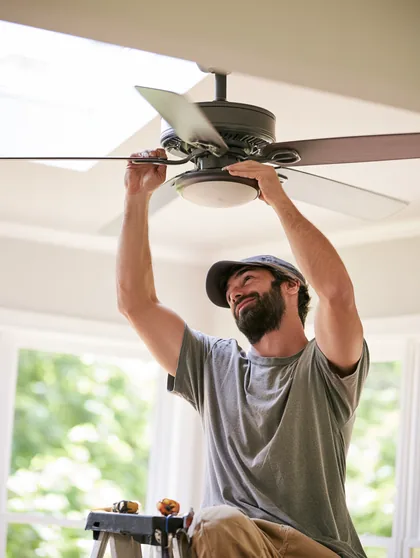
Homeowners insurance usually covers sudden, accidental damage such as a pipe that bursts, but it rarely pays for wear and tear, slow leaks or aging equipment. Check your policy and any warranties before you request a personal loan.
- Sudden pipe bursts: resulting water damage is often covered, though the pipe repair itself may not be.
- Wind or hail roof damage: often covered minus the deductible; older roofs may receive reduced payouts.
- Furnace or water heater failure from age: generally not covered by homeowners insurance.
- Manufacturer warranties: many tank water heaters carry 6- to 12-year tank warranties, and furnace parts warranties of 5 to 10 years are common on registered units.
- Home warranty plans: if you have one, the service call fee is usually $75 to $150 per visit.
Renters are in a different position. In most states the landlord must handle repairs to plumbing, heating and the roof, so a renter should notify the landlord in writing before paying a contractor or requesting a personal loan for the work.
Utility and local programs can help with heating, too. Many utilities and state energy-assistance programs offer furnace repair or replacement help for income-qualified households, and some cities run emergency repair grants for older homeowners. A phone call costs nothing and could mean you never need a cash store or a lender at all.
Cash Store Loans vs. an Online Request for Repairs
Cash store loans from a storefront can be funded in person, which helps when a plumber wants payment today. An online request lets lenders compete, so you can compare APR, term and total cost before you accept.
| Factor | Storefront cash store | Online request through our service |
|---|---|---|
| Best fit | Small, same-day bills you can repay quickly | Larger repairs you want to repay over several months |
| Funding | In person after approval | Often the next business day after approval, depending on the lender |
| Repayment | Often one payment or a short schedule, varies by state | Fixed monthly payments over 3 to 36 months |
| Cost shown as | Fees per $100 or APR; ask for both | APR, monthly payment and total repayment |
| Choice | One company’s offer | Offers from lenders in our network that respond |
| Obligation | Contract signed at the counter | No obligation to accept any offer |
A homeowner with a $400 dishwasher leak and a paycheck arriving Friday might reasonably use a cash store. A homeowner facing a $3,500 water heater and drywall bill usually does better with an installment personal loan, because squeezing that amount into a few weeks can strain the next several budgets.
If you start at the cash store near me, ask for the APR and the total repayment amount in writing. Then set those figures beside any personal loan offer you receive online. A cash money store has to disclose its APR under federal law, just like an online lender, so the comparison is fair.
Home Repair Loan Payment Examples
A $3,000 personal loan for a repair at 19.99% APR over 24 months comes to an estimated $152.67 a month and $3,664.08 in total. A 12-month term raises the payment to $277.89 but saves about $329 in interest.
| Amount | APR | Term | Est. monthly | Est. total repaid | Est. interest |
|---|---|---|---|---|---|
| $1,000 | 24.99% | 6 months | $179.02 | $1,074.12 | $74.12 |
| $1,000 | 24.99% | 12 months | $95.04 | $1,140.48 | $140.48 |
| $3,000 | 19.99% | 12 months | $277.89 | $3,334.68 | $334.68 |
| $3,000 | 19.99% | 24 months | $152.67 | $3,664.08 | $664.08 |
| $4,000 | 17.99% | 24 months | $199.68 | $4,792.32 | $792.32 |
| $4,000 | 17.99% | 36 months | $144.59 | $5,205.24 | $1,205.24 |
Here is how one burst-pipe scenario might play out. Insurance covers the water cleanup after a $1,000 deductible paid from savings, but the policy excludes the $1,000 plumbing bill for the corroded pipe. A $1,000 personal loan at 24.99% APR for 12 months would cost an estimated $95.04 a month and $140.48 in interest. The same amount over 6 months runs about $179.02 a month and $74.12 in interest. A cash store product due in one lump sum would often expect the whole $1,000 plus fees within weeks.
Credit drives the APR. Estimated ranges run from about 8% to 15% for excellent credit to 28% to 35.99% for poor credit; current figures are on our personal loan rates page. Cash store loans quoted at a counter belong in the same comparison, converted to APR and total repayment.
Secured or Unsecured Personal Loan for a Furnace or Roof?
Most home repair loans in our network are unsecured, so no collateral is required. A secured personal loan backed by a vehicle or savings account may carry a lower APR, but you risk that asset if payments stop.
Furnace work deserves extra thought because the bill can be large and the timing urgent. Our comparison of a secured vs. unsecured personal loan for a furnace repair runs through the tradeoffs with numbers.
Other ways to pay a contractor
- Contractor financing: some HVAC and roofing companies offer payment plans; read the terms closely, since deferred-interest promotions can charge back interest if the balance is not paid in full by the deadline.
- Credit card: workable for a few hundred dollars you can repay within a month or two; card APRs often run higher than personal loan rates for borrowers with good credit.
- Rebates: high-efficiency furnaces and heat pump water heaters sometimes qualify for utility or manufacturer rebates, which lowers the net cost.
- Storefront cash store: fast for small amounts, but compare the APR and total repayment before signing.
Whichever path you choose, pay the contractor by check, card or bank transfer so there is a record. Avoid handing over the full amount in cash before work begins, even if a cash store visit makes that easy.
Qualifying and Paying the Contractor Safely
To qualify, most lenders in our network expect you to be 18 or older (19 in a few states), live in an eligible state, have steady income and a checking account, and carry a manageable debt load.
Details are on the personal loan eligibility page. Many lenders begin with a soft credit check, which does not affect your score; a hard inquiry may follow if you accept an offer. A cash store may run its own check, so ask which kind before you apply there.
Contractor checklist before you borrow
- Confirm the contractor’s license and insurance with your state or local licensing board.
- Get a written estimate that lists parts, labor and permit fees.
- Keep the deposit modest; some states cap upfront deposits on home repair contracts.
- Ask whether the job needs a permit, since unpermitted electrical or water heater work can cause insurance trouble later.
- Pay the balance only after the work passes inspection or you have tested it yourself.
Door-to-door crews that appear after a storm and demand cash upfront are a known scam pattern. A legitimate roofer will give you a written estimate and let you pay through a personal loan, card or check. If someone pressures you to rush to a cash store for an immediate cash payment, treat that as a warning sign and get a second quote.
Frequently asked questions
Can I get a home repair personal loan the same day a pipe bursts?
Some cash store loans from storefront locations can fund the same day after approval, but amounts and costs vary by state. Through an online request, funding is often the next business day after approval, depending on the lender. Many plumbers will start with a small deposit while funds arrive.
Do I need to own my home to get a home repair personal loan?
No. An unsecured personal loan does not use your home as collateral, so lenders focus on income, credit and existing debts. Renters should still check with the landlord first, because most plumbing, heating and roof repairs are the landlord’s responsibility.
Should I borrow before or after the insurance adjuster visits?
After, when possible. Once you know what the policy will pay, you can borrow only the gap, such as the deductible or excluded items. If you must pay a contractor before the claim settles, choose a lender that allows early payoff without a penalty.
Is a cash store or a personal loan better for a $1,000 repair?
It depends on how fast you can repay. If you can repay within a few weeks, a cash store may work, though you should compare its APR. If you need several months, a $1,000 personal loan at 24.99% APR for 12 months costs an estimated $95.04 a month.
Explore other loan types & amounts
Loan types
Loan amounts
Ready to compare loan offers?
Takes about five minutes. No fee to use our service and no obligation to accept any offer.